Scientists Say Your Body Has a Second Age — And Most People Over 40 Have No Idea What Theirs Is

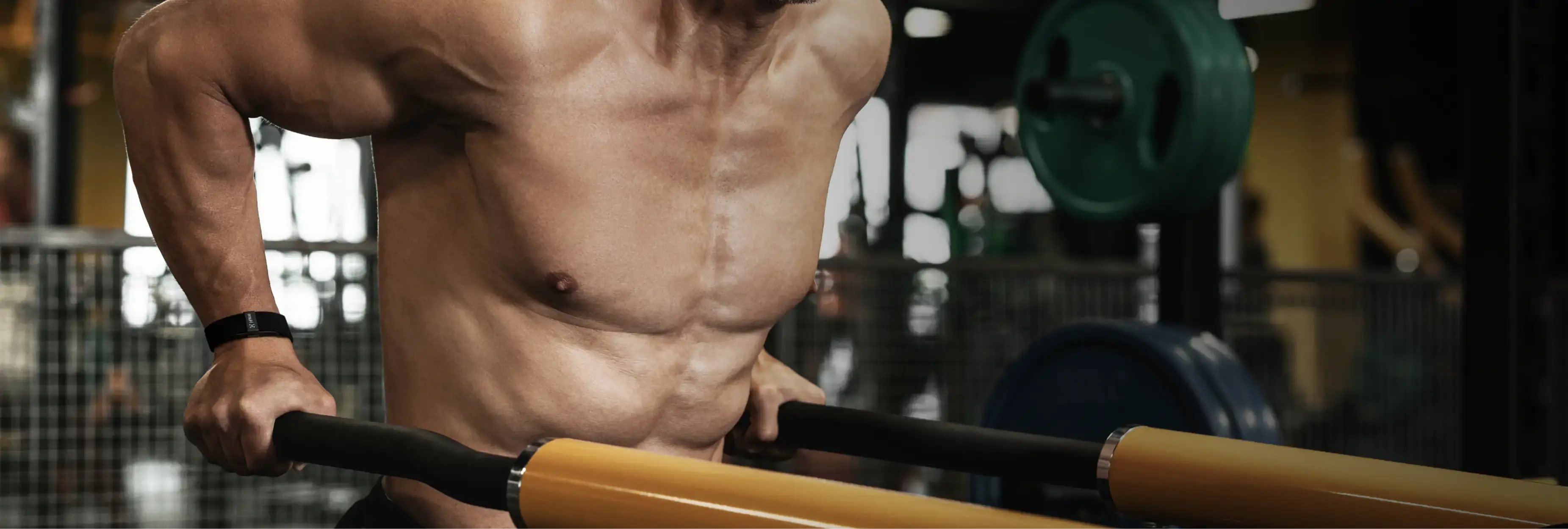
Picture this. Two people, both 48 years old. Same birthday. Same city. One of them has the body of a 39-year-old on the inside — sharp immune response, efficient metabolism, fast recovery. The other one? 57. Same external age. Completely different biological reality.
For most of human history, we had no way to know which person we were. We'd find out eventually — when the doctor's results came back, when the fatigue became impossible to ignore, when the heart event nobody saw coming finally arrived.
That's starting to change. And the shift is happening on people's wrists.
The Number Your Doctor Doesn't Tell You
Your chronological age is the easy number. It's on your passport. It doesn't require any equipment to know. But researchers studying longevity have known for decades that it's also one of the least informative numbers about your actual health.
What matters far more is your biological age — a measure of how efficiently your cells, organs, and metabolic systems are functioning relative to their potential. And unlike your birthday, biological age can go up or down depending on how you live.
Studies consistently show that biological age is a better predictor of disease risk, recovery speed, and longevity than chronological age. Two people with identical birthdays can have biological ages 20 years apart — based entirely on lifestyle, stress, sleep quality, and metabolic health.
Until recently, getting an accurate biological age reading required expensive clinical testing — bloodwork, VO2 max assessments, metabolic panels. Not exactly something most people schedule into their Tuesday morning.
But a new generation of consumer wearables is bringing that measurement to everyday life. And one device in particular — the Hume Band — is generating serious attention.
What the Hume Band Actually Does
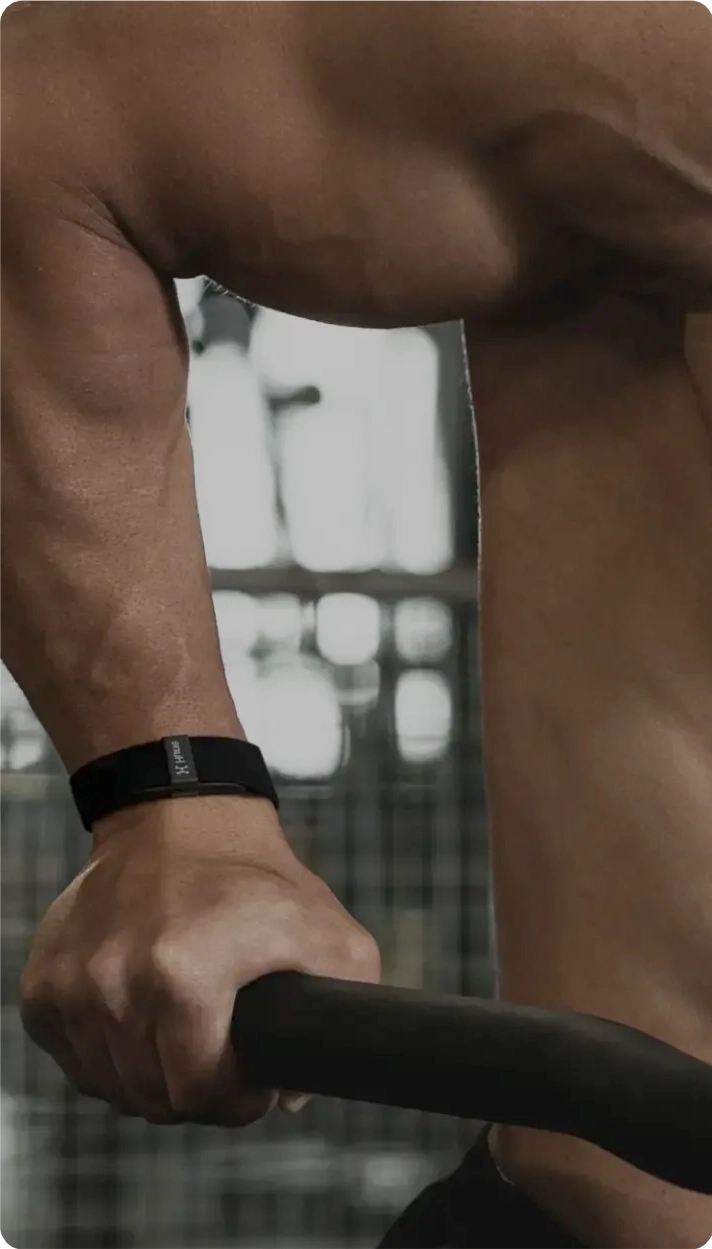
The Hume Band is a screenless wristband that reads your body's biological signals around the clock — heart rate variability, blood oxygen, skin temperature, sleep stages — and turns them into three numbers that most health trackers don't even try to measure.
The first is Metabolic Capacity. Think of it as your body's daily fuel efficiency score. High capacity means your body converts energy well, recovers quickly, and handles stress effectively. Low capacity means you're burning through reserves you don't have. It's the closest thing to a "how well is my body actually running right now?" score you can get outside of a hospital.
The second is Metabolic Momentum — a longitudinal trend showing whether your biological age is improving or declining over weeks and months. Are your habits adding years to your life, or quietly taking them away? This score shows you, in real time, the direction you're heading.
"The problem with most health data is that it tells you what happened, not what's happening to your future self. Metabolic Momentum is different — it's a window into your trajectory."
The third is your Biological Age Score itself — updated daily, responsive to sleep, exercise, stress, and nutrition. When you have a run of good nights' sleep and consistent movement, it drops. When work becomes brutal and recovery goes out the window, it climbs. It's a mirror that doesn't lie.
The Early Warning People Don't Expect
Perhaps the most surprising feature of the Hume Band — and the one that generates the most genuine reaction from long-term users — is something the company calls early illness detection.
The device continuously tracks subtle shifts in HRV patterns and blood oxygen readings. In many cases, these shifts appear 2-3 days before any physical symptoms emerge. Think of it like having a smoke detector for your immune system — catching the signal before the fire takes hold.
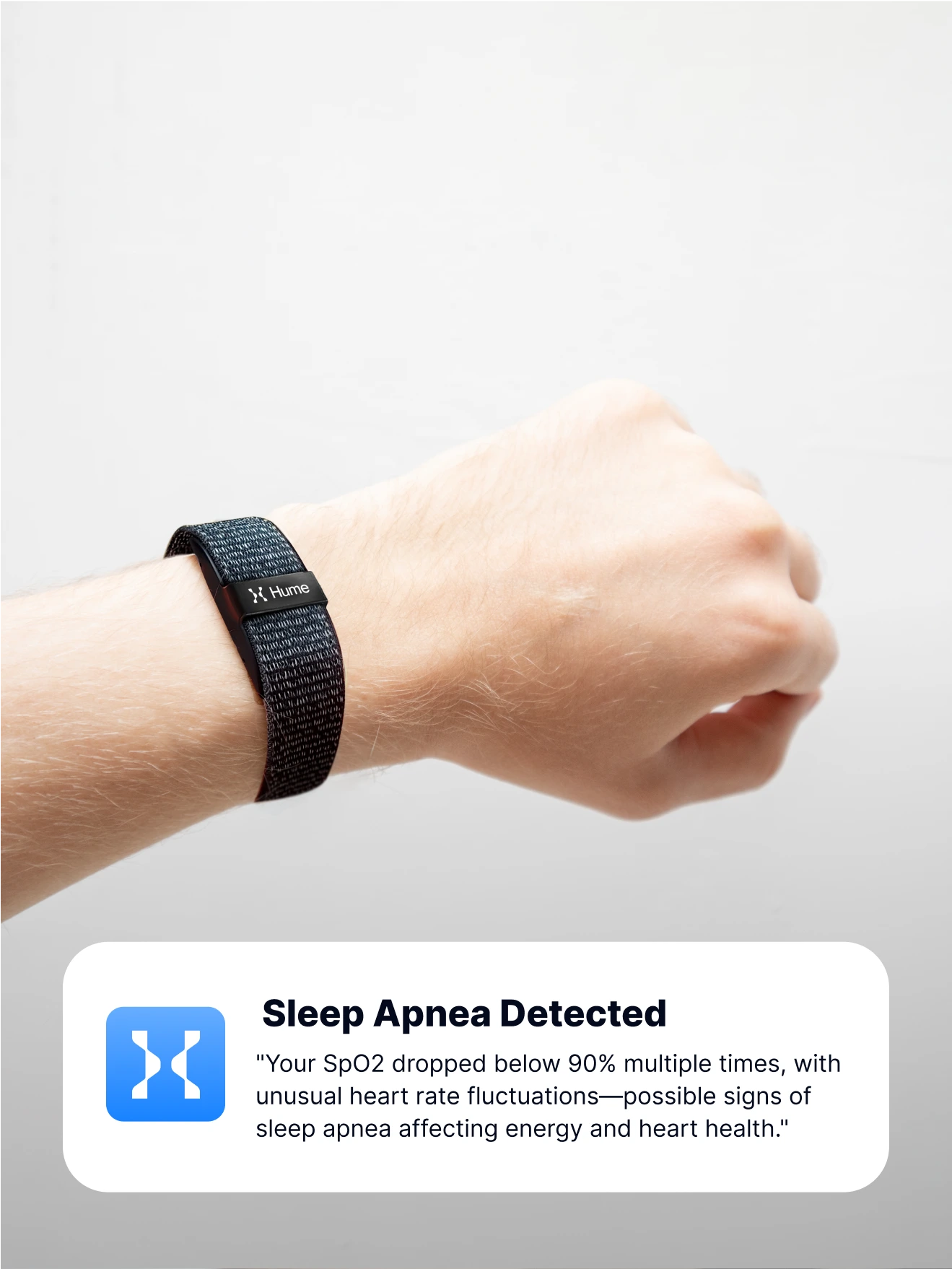
One user described noticing a sharp drop in her HRV consistency on a Monday. "I felt completely fine," she said. "By Wednesday I had a full chest infection. But because I saw the warning, I'd already cancelled plans, started resting, and had called my doctor. Recovery was half the time it would normally have been."
That kind of proactive health management — acting on data before symptoms force your hand — is what the longevity research community has been pointing toward for years. The Hume Band is one of the first consumer devices to make it genuinely accessible.
The Hume Band is available now — with free shipping and the app included
Over 50,000 people are already tracking their biological age. Pricing starts at $199 with a 10-year hardware warranty and no monthly subscription.
See the Hume Band →How It Compares to What You're Already Using
Most people who come to the Hume Band are already wearing something — a Fitbit, an Apple Watch, maybe a WHOOP. The natural question is: what does this add that I don't already have?
The honest answer: the specific layer of biological tracking. Activity, calories, and step counts are well-covered by existing devices. Biological age, metabolic efficiency, and aging trajectory are not. They require a fundamentally different type of sensor analysis — and a different philosophy about what health tracking is actually for.
The no-subscription model deserves a mention here. WHOOP alone costs over $360 per year just in membership fees — before you've paid for the hardware. The Hume Band is a one-time purchase. Over three years, the math is substantial.
What People Are Actually Experiencing
The patterns in user feedback are consistent. People over 40 who had grown skeptical of fitness trackers — who felt the step counts and calorie burns weren't telling them anything useful anymore — tend to find the Hume Band's metrics meaningfully different. Actionable in a way that step counts never quite were.
The metabolic capacity score, in particular, seems to create a behavior change that other wearables don't. When you can see a concrete number tied to your recovery quality, the motivation to protect your sleep shifts. It's no longer abstract advice. It's a score you can move.
"I've worn four different trackers in the last five years. The Hume Band is the first one that told me something I actually didn't know — and could actually do something about."
Who Should Consider This?
The Hume Band isn't for everyone. If you're in your twenties and your main health concern is hitting a step target, a basic tracker will serve you fine.
But if you're in your 40s or beyond — and you've started noticing that recovery isn't what it was, that sleep feels less restorative, that you'd like to understand what's actually happening inside your body rather than just counting what happened outside it — this is a genuinely different tool.
The people who get the most from it tend to share one trait: they're curious about their own data. They want to understand the mechanism, not just the outcome. They're the ones who find that having a biological age score — something they can actually move, something responsive to their choices — changes how they make decisions about sleep, stress, food, and movement.
For that person, the Hume Band may be the most useful $249 they spend on their health this year.
Want to Know Your Biological Age?
The Hume Band ships free, includes the app at no extra cost, and comes with a 10-year hardware warranty. No monthly subscription. Ever.
See the Hume Band on the Official Site →